Cosmetic packaging is not only about protecting products but also creating a strong visual impression on consumers. Labels play an important role in communicating brand identity, product information, and quality perception.
Choosing the right cosmetic bottle labels requires careful consideration of material, adhesive performance, printing technology, and finishing options. This guide explains the key factors to help cosmetic brands select suitable labels for skincare, beauty, and personal care products.
Why Choosing the Right Cosmetic Bottle Labels Matters
Cosmetic products are often exposed to challenging conditions, including:
- Water and humidity in bathrooms
- Contact with oils and creams
- Frequent handling by consumers
- Different bottle materials such as PET, PP, HDPE, and glass
A suitable label should maintain its appearance throughout the product lifecycle while matching the brand’s packaging design.
Common Materials for Cosmetic Bottle Labels
1. BOPP Labels
BOPP (Biaxially Oriented Polypropylene) is one of the most commonly used materials for cosmetic labels.
Advantages:
- Excellent water resistance
- Smooth printing surface
- Good durability
- Suitable for transparent label designs
Common applications:
- Shampoo bottles
- Body wash packaging
- Skincare products
- Beauty products
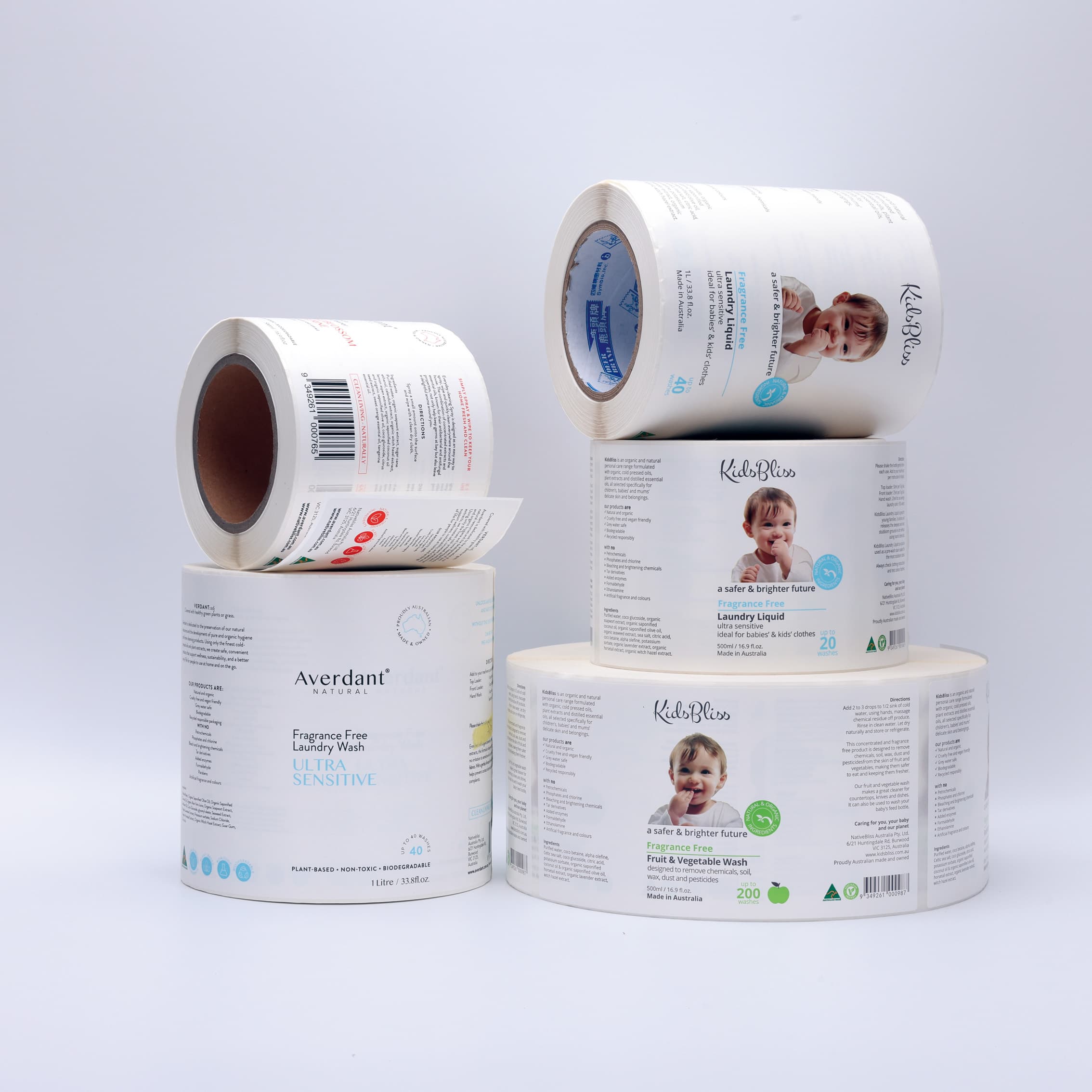
BOPP labels are available in:
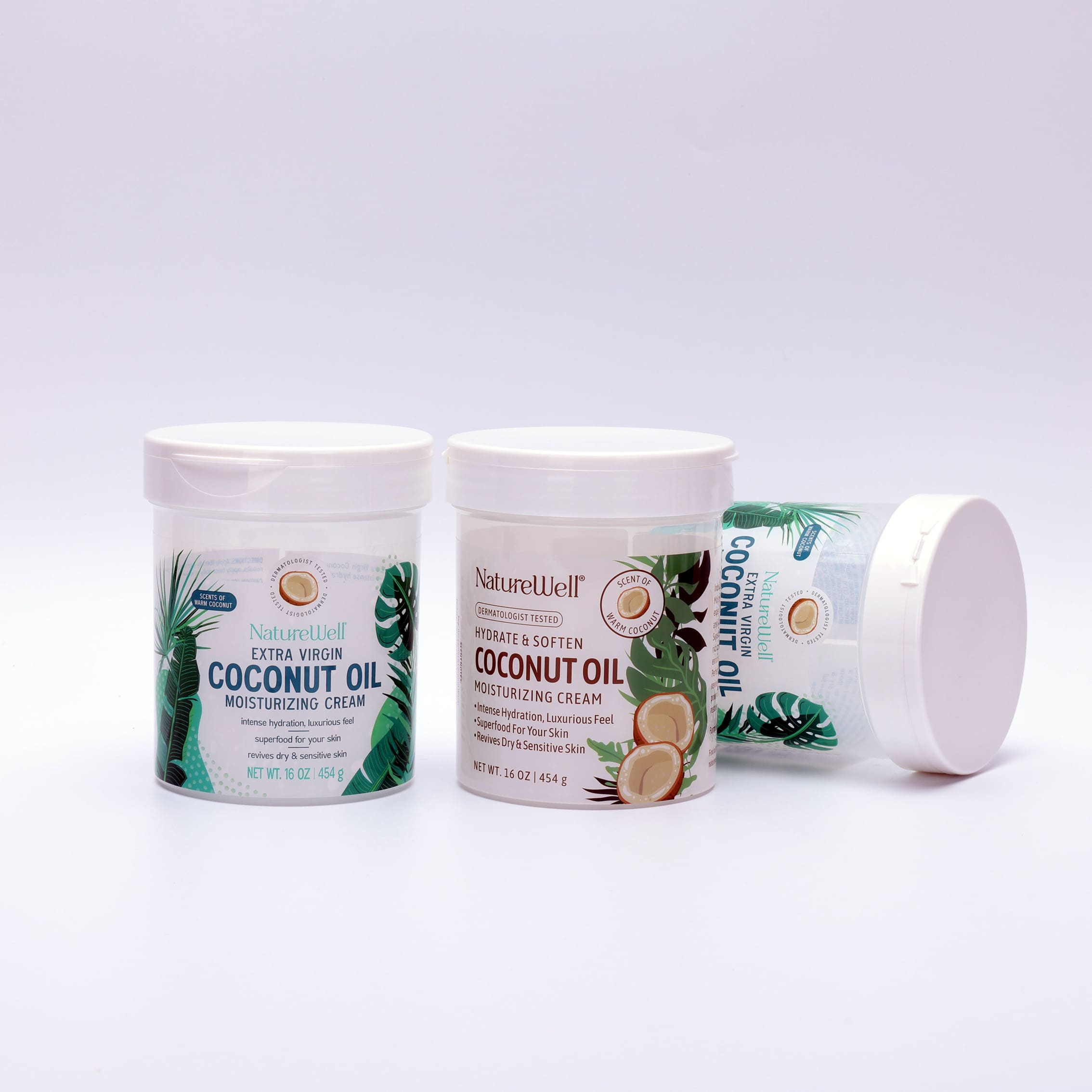
- Transparent BOPP
- White BOPP
- Silver BOPP
- Matte BOPP
2. PET Labels
PET labels provide excellent durability and resistance.
Advantages:
- High strength
- Good heat resistance
- Excellent dimensional stability
- Suitable for premium packaging
PET labels are commonly used for:
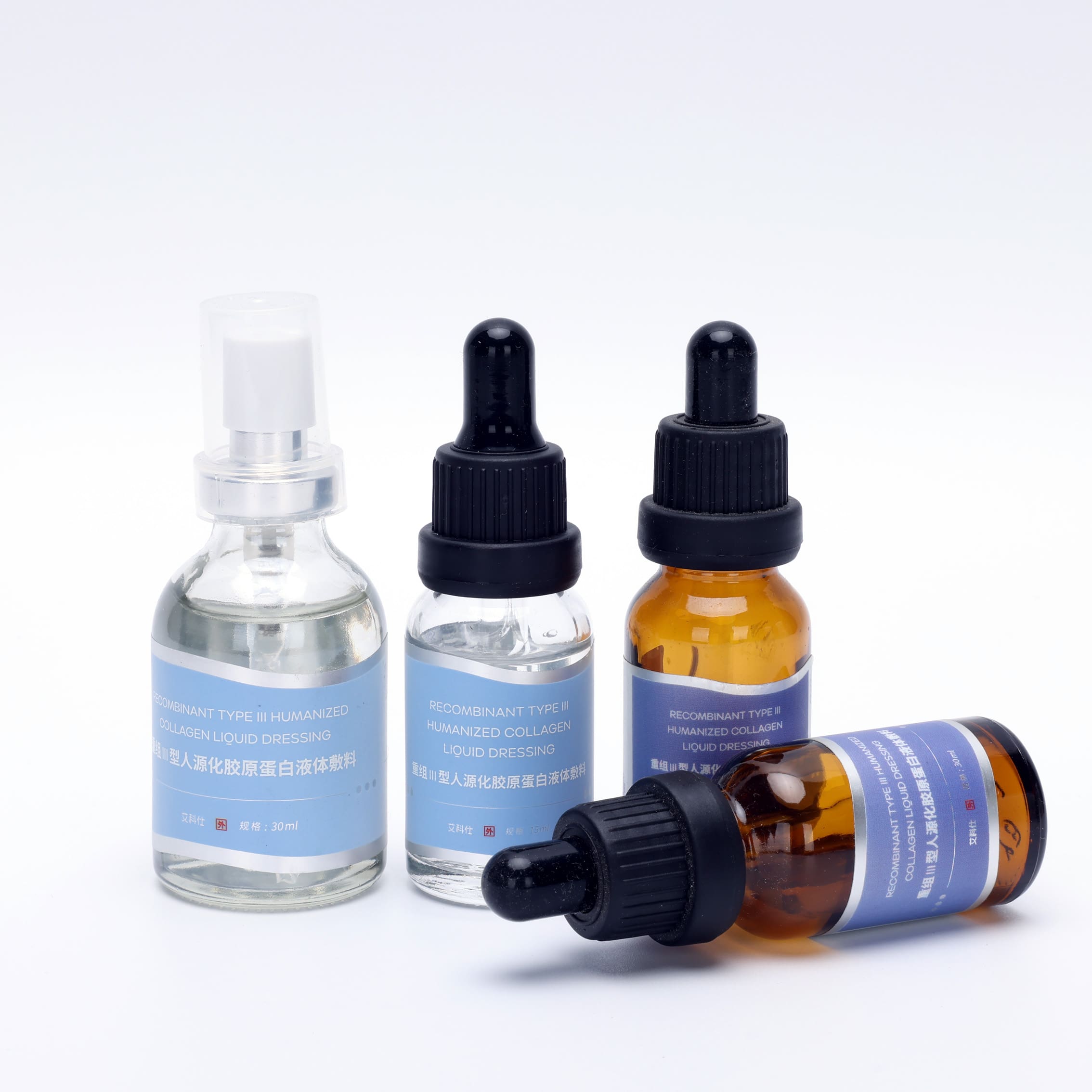
- Glass cosmetic bottles
- Perfume packaging
- High-end skincare products
3. Synthetic Paper Labels
Synthetic paper labels combine a paper-like appearance with improved durability.
Advantages:
- Water resistant
- Tear resistant
- Easy printing performance
- Cost-effective compared with some film materials
They are suitable for:
- Personal care products
- Daily-use cosmetics
- Products requiring a paper texture
4. Paper Labels
Paper labels remain a popular choice for cosmetic brands looking for a natural or handcrafted appearance.
Common options include:
- Coated paper
- Textured paper
- Kraft paper
- Specialty papers
Paper labels are often combined with:
- Matte lamination
- Embossing
- Hot foil stamping
to create unique packaging designs.
Popular Label Finishes for Cosmetic Packaging
Cosmetic brands often use special finishing processes to improve visual appeal.
Matte Finish
Matte lamination creates a soft and elegant appearance.
Suitable for:
- Skincare products
- Natural beauty brands
- Minimalist packaging designs
Gloss Finish
Gloss finishing provides:
- Bright colors
- Smooth surface
- Strong visual impact
Suitable for colorful cosmetic packaging.
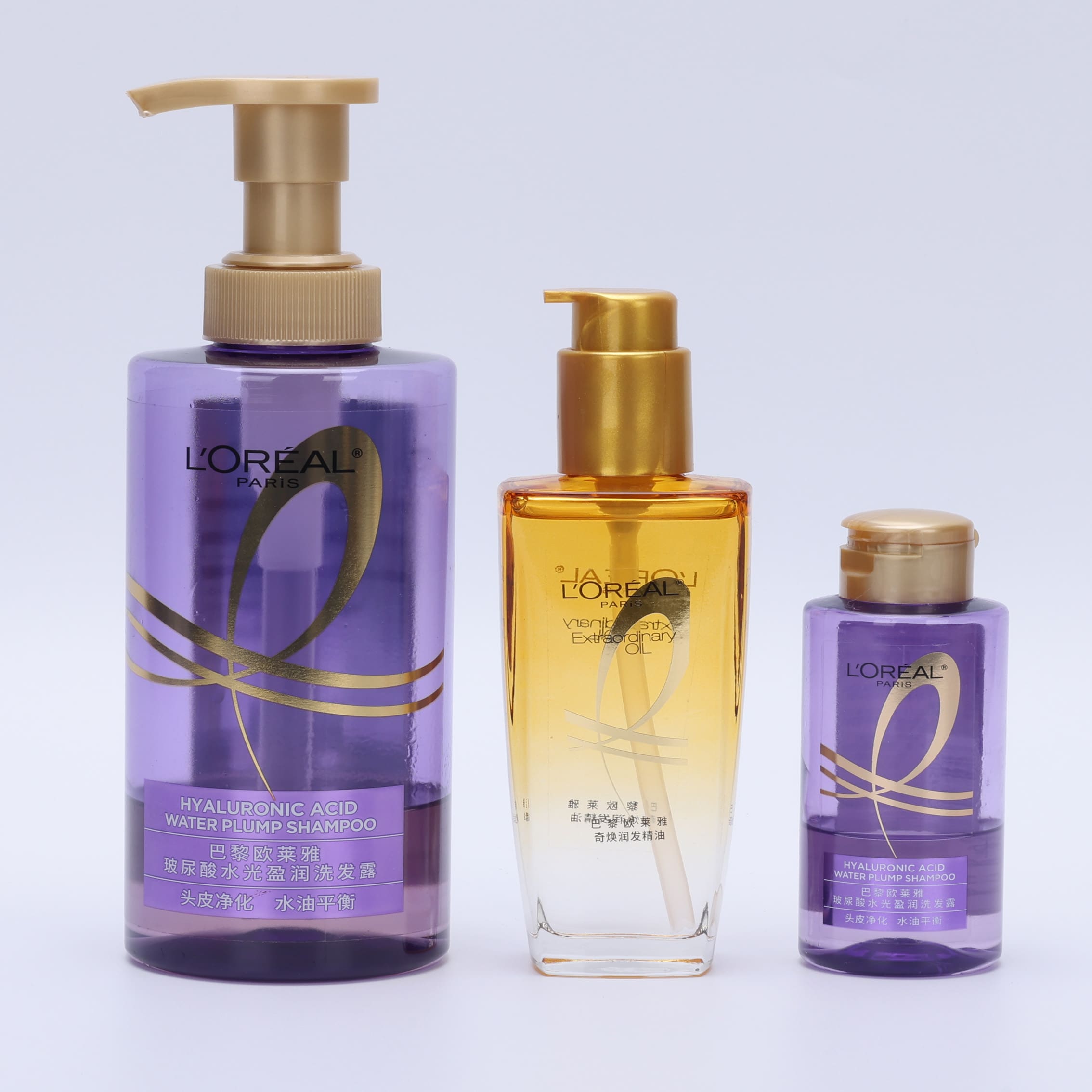
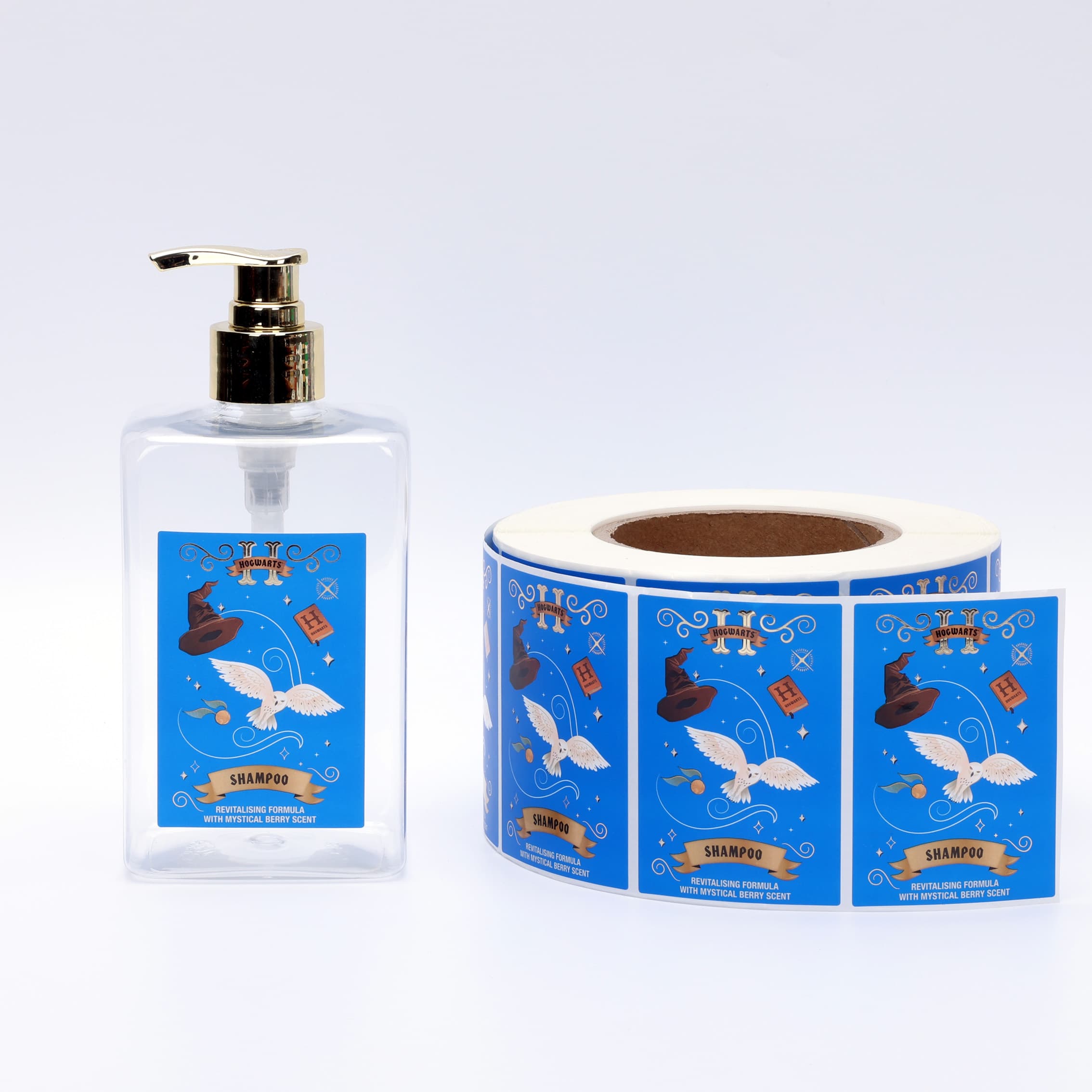
Hot Foil Stamping
Hot stamping creates metallic effects using foil materials.
Popular options include:
- Gold foil
- Silver foil
- Rose gold foil
- Holographic foil
It is often used for:
- Brand logos
- Product names
- Decorative elements
Embossing
Embossing creates a raised tactile effect, allowing consumers to feel design elements on the label.
Common combinations:
- Embossing + foil stamping
- Embossing + matte finish
Screen Printing Effects
Screen printing can create:
- Raised ink effects
- Textured surfaces
- Special visual effects
It is often used for premium cosmetic packaging.
Choosing the Right Adhesive for Cosmetic Bottle Labels
The adhesive selection depends on the bottle material and usage environment.
PET Bottles
Recommended:
- Permanent adhesive
- Strong initial tack
- Good resistance to moisture
PP and HDPE Bottles
These materials have lower surface energy, so labels usually require:
- High-performance adhesive
- Strong adhesion to plastic surfaces
Glass Bottles
Glass surfaces generally provide good adhesion, but the adhesive should still consider:
- Refrigeration conditions
- Humidity
- Product storage time
Common Problems with Cosmetic Labels and Solutions
Label Peeling from Bottles
Possible causes:
- Incorrect adhesive selection
- Dust or oil contamination on the bottle surface
- Environmental humidity
Solutions:
- Select suitable adhesive grades
- Test labels before mass production
- Confirm application conditions
Label Wrinkles During Application
Possible causes:
- Incorrect label material
- Bottle shape issues
- Automatic labeling settings
Solutions:
- Select suitable film materials
- Test with actual labeling equipment
Color Difference After Printing
Possible causes:
- Different printing methods
- Material surface differences
- Incorrect color references
Solutions:
- Confirm Pantone colors
- Approve digital proofs or physical samples before production
FAQ
What is the best material for cosmetic bottle labels?
The best material depends on the bottle type and usage environment. BOPP is widely used because of its waterproof performance, while PET is suitable for more durable applications.
Are cosmetic labels waterproof?
Yes. Film materials such as BOPP and PET provide excellent waterproof performance and are commonly used for bathroom and personal care products.
Can cosmetic labels be applied to curved bottles?
Yes. Flexible materials and suitable adhesives can be selected for curved bottles and automatic labeling applications.
What label finish is popular for skincare products?
Matte finishes, soft-touch effects, hot stamping, and embossing are commonly used to create a premium appearance for skincare packaging.


 Deutsch




 Sales Executive