Mar 12, 2026
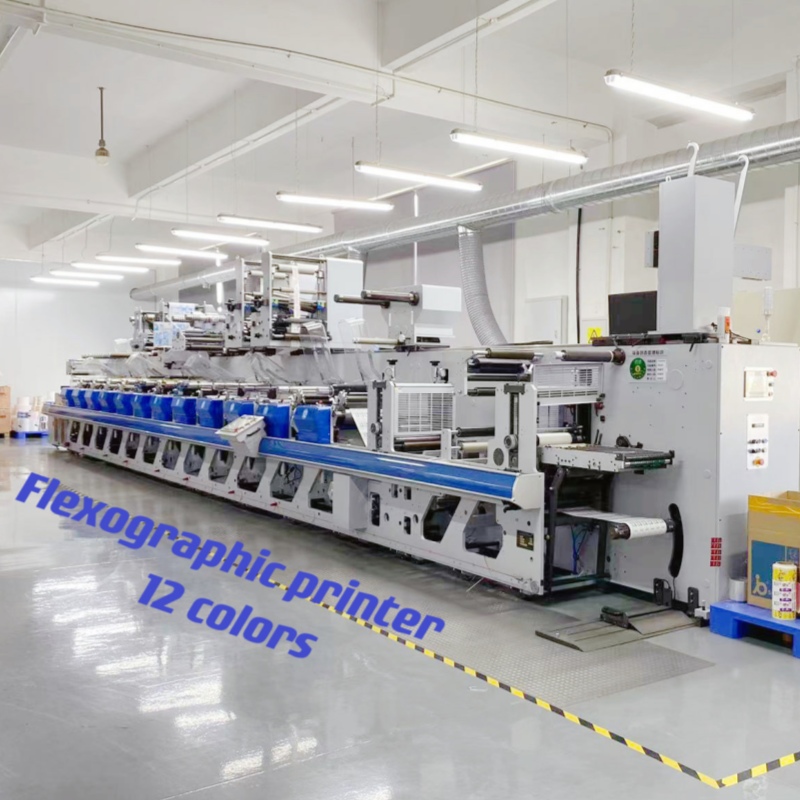
Selbstklebende Etiketten werden in vielen Branchen eingesetzt, darunter Lebensmittelverpackung, Getränkeflaschen, KosmetikaIn der Logistik und der Pharmaindustrie werden Etiketten häufig verwendet. Obwohl Etiketten einfach erscheinen mögen, erfordert ihre Herstellung einen präzisen Fertigungsprozess, um Druckgenauigkeit, starke Haftung und Kompatibilität mit Etikettiermaschinen zu gewährleisten.Dieser Artikel erklärt Schritt für Schritt, wie Etiketten gedruckt werden, von der Druckvorlage bis zur Endverpackung.1. Druckvorlagenvorbereitung und DruckvorstufeDer erste Schritt beim Etikettendruck ist die Erstellung der Druckvorlage.Kunden stellen Designdateien üblicherweise in Formaten wie beispielsweise diesem bereit:AIPDFCDREPSVor Produktionsbeginn prüft das Team der Druckvorstufe das Design sorgfältig. Dieser Prozess umfasst typischerweise Folgendes:Farbmodi überprüfen (Pantone oder CMYK)Überprüfung der BildauflösungBestätigung der Barcode-GlätteAnpassung kleiner Texte oder feiner DetailsHinzufügen von Anschnittbereichen und StanzkonturenEine ordnungsgemäße Druckvorstufe gewährleistet, dass die gedruckten Etiketten dem gewünschten Design entsprechen und reduziert das Risiko von Produktionsfehlern.2. Herstellung von DruckplattenNach der Freigabe des Druckdesigns erfolgt der nächste Schritt: die Herstellung der Druckplatten.Unterschiedliche Drucktechnologien erfordern unterschiedliche Plattentypen.FlexodruckplattenBeim Flexodruck werden Fotopolymerplatten verwendet. Das Design wird mithilfe von Lasertechnologie auf die Platte übertragen. Diese Platten übertragen dann während des Druckvorgangs die Farbe auf das Etikettenmaterial.OffsetdruckplattenBeim Offsetdruck werden Aluminiumplatten verwendet. Die Platte trennt die Bildbereiche von den Nicht-Bildbereichen und ermöglicht so einen präzisen Farbauftrag auf das Material.Die Qualität der Druckplatte hat einen direkten Einfluss auf die Schärfe und Konsistenz der gedruckten Etiketten.3. Auswahl des EtikettenmaterialsVor Beginn des Druckvorgangs wählen die Hersteller je nach Anwendungsfall das geeignete Etikettenmaterial und den passenden Klebstoff aus.Gängige Etikettenmaterialien sind:PapieretikettenBOPP-FolienetikettenPET-EtikettenPE-EtikettenJedes Material hat unterschiedliche Eigenschaften. Zum Beispiel:BOPP-Etiketten werden häufig für Getränkeflaschen verwendet, da sie wasserdicht sind.PET-Etiketten bieten eine höhere Haltbarkeit und Chemikalienbeständigkeit.Papieretiketten werden häufig in der Lebensmittel- und Logistikbranche eingesetzt.Die Auswahl der Klebstoffe richtet sich auch nach den Einsatzbedingungen, wie zum Beispiel:permanenter Klebstoffablösbarer KlebstoffKlebstoff für GefrierschränkeDie Materialien werden für eine effiziente Produktion in großen Rollen geliefert.4. EtikettendruckverfahrenDie Materialrolle wird in die Druckmaschine eingespannt.Während des Druckvorgangs laufen folgende Schritte ab:Die Tinte wird auf die Druckplatte übertragen.Die Platte überträgt das Design auf das Etikettenmaterial.Mehrere Druckwerke verwenden unterschiedliche FarbenModerne Etikettendruckmaschinen können mehrere Farben in einem einzigen Durchgang drucken und gewährleisten so eine hohe Produktionseffizienz.Gängige EtikettendrucktechnologienZwei der am weitesten verbreiteten Druckverfahren sind:Flexodruckgeeignet für die Hochgeschwindigkeitsproduktionweit verbreitet für Verpackungsetikettenmit vielen Materialien kompatibelOffsetdruckgeeignet für detailreiche Bilder und Farbverläufeausgezeichnete Farbkonsistenzwird häufig für hochpräzise Etikettendesigns verwendetBeide Methoden werden häufig in der professionellen Etikettenherstellung eingesetzt.5. Endbearbeitung und OberflächenbehandlungNach dem Druck können Etiketten weiteren Veredelungsprozessen unterzogen werden, um ihr Aussehen und ihre Haltbarkeit zu verbessern.Gängige Oberflächenbehandlungsoptionen sind:matte LaminierungGlanzlaminierungLackbeschichtungHeißfolienprägungUV-PunktbeschichtungPrägungDurch diese Verfahren lassen sich sowohl die Optik als auch die Leistungsfähigkeit verbessern, beispielsweise die Beständigkeit gegenüber Feuchtigkeit, Öl oder Abrieb.6. StanzenAls nächstes wird das bedruckte Material gestanzt.Eine Stanzmaschine schneidet die Etiketten in die gewünschten Formen und Größen. Gleichzeitig wird das überschüssige Material um die Etiketten herum entfernt.Nach dem Stanzen bleiben die Etiketten auf einer Trägerfolie haften, sodass sie sich leicht abziehen und aufkleben lassen.Etiketten können in verschiedenen Formaten hergestellt werden, darunter:Rollenetiketten für automatische EtikettiermaschinenEtikettenbögen zur manuellen Verwendung7. Inspektion und QualitätskontrolleNach dem Drucken und der Endbearbeitung werden die Etiketten vor dem Zuschneiden einer Qualitätskontrolle unterzogen.Viele Etikettenhersteller verwenden automatische Inspektionssysteme, um potenzielle Fehler auf der gesamten Rolle zu erkennen.Diese Systeme können Probleme wie die folgenden erkennen:FarbvariationDruckfehlerfehlender Text oder fehlende GrafikenRegistrierungsfehlerEinige Produktionslinien sind mit vollautomatischen Inspektionsmaschinen ausgestattet, die jedes Etikett auf der Rolle scannen, um eine gleichbleibende Qualität zu gewährleisten.Eine frühzeitige Qualitätskontrolle trägt dazu bei, dass fehlerhafte Etiketten nicht in spätere Produktionsstufen gelangen.8. Schneiden und AufwickelnNach Abschluss des Inspektionsprozesses wird die Masterrolle zur Schneidemaschine transportiert.Die große Rolle wird gemäß den Kundenspezifikationen in kleinere Rollen geschnitten.In diesem Schritt kontrollieren die Hersteller mehrere Parameter:RollenbreiteKerngrößeAnzahl der Etiketten pro RolleWickelrichtungDurch fachgerechtes Schneiden wird sichergestellt, dass die fertigen Etikettenrollen reibungslos auf den Etikettiermaschinen des Kunden laufen.9. Verpackung und VersandAbschließend werden die fertigen Etikettenrollen sorgfältig für den Versand verpackt.Verpackungsmethoden können Folgendes umfassen:SchutzfolieKartonverpackungPalettenverpackung für große SendungenEine sachgemäße Verpackung schützt die Etiketten vor Feuchtigkeit, Staub und Beschädigungen während des Transports.AbschlussDas Bedrucken von Selbstklebeetiketten umfasst mehrere präzise Produktionsschritte, darunter die Vorbereitung der Druckvorlage, die Plattenherstellung, den Druck, die Endbearbeitung, das Stanzen, die Qualitätskontrolle und das Schneiden.Jeder einzelne Schritt spielt eine wichtige Rolle, um sicherzustellen, dass die Etiketten den Qualitätsanforderungen entsprechen und bei der Anwendung zuverlässig funktionieren.Mit modernen Technologien wie dem Flexo- und Offsetdruck können Etikettenhersteller maßgeschneiderte Etiketten produzieren, die für ein breites Spektrum an Verpackungsanwendungen geeignet sind.Häufig gestellte FragenWelche Druckverfahren werden für Etiketten verwendet?Zu den gängigsten Etikettendruckverfahren zählen Flexodruck, Offsetdruck und Digitaldruck. Der Flexodruck wird häufig für große Produktionsmengen eingesetzt.Warum ist die Qualitätskontrolle bei der Etikettenherstellung wichtig?Die Qualitätskontrolle hilft, Druckfehler, Farbabweichungen oder fehlende Elemente zu erkennen. Viele Hersteller setzen automatische Inspektionssysteme ein, um eine gleichbleibende Qualität zu gewährleisten.Welche Materialien werden üblicherweise für Etiketten verwendet?Gängige Etikettenmaterialien sind Papier, BOPP-Folie, PET und PE. Die Wahl hängt von der Produktanwendung und den Umgebungsbedingungen ab.


 Deutsch




 Sales Executive